
CircuitWare

Ultra-Low-Power Edge Devices: Design Strategies for Longer Runtime

Learn how ultra-low-power edge device design improves battery life, thermal performance, and field reliability in constrained environments.

Design Ultra-Low-Power Edge Devices Around the Energy Budget

Ultra-low-power edge device design is central to battery-operated and remote products. The success of the system depends on how efficiently it senses, computes, communicates, sleeps, and recovers under real deployment conditions.
At CircuitWare, low-power engineering means balancing silicon selection, firmware behavior, radio strategy, power architecture, and measurement methodology so the device performs predictably in the field.
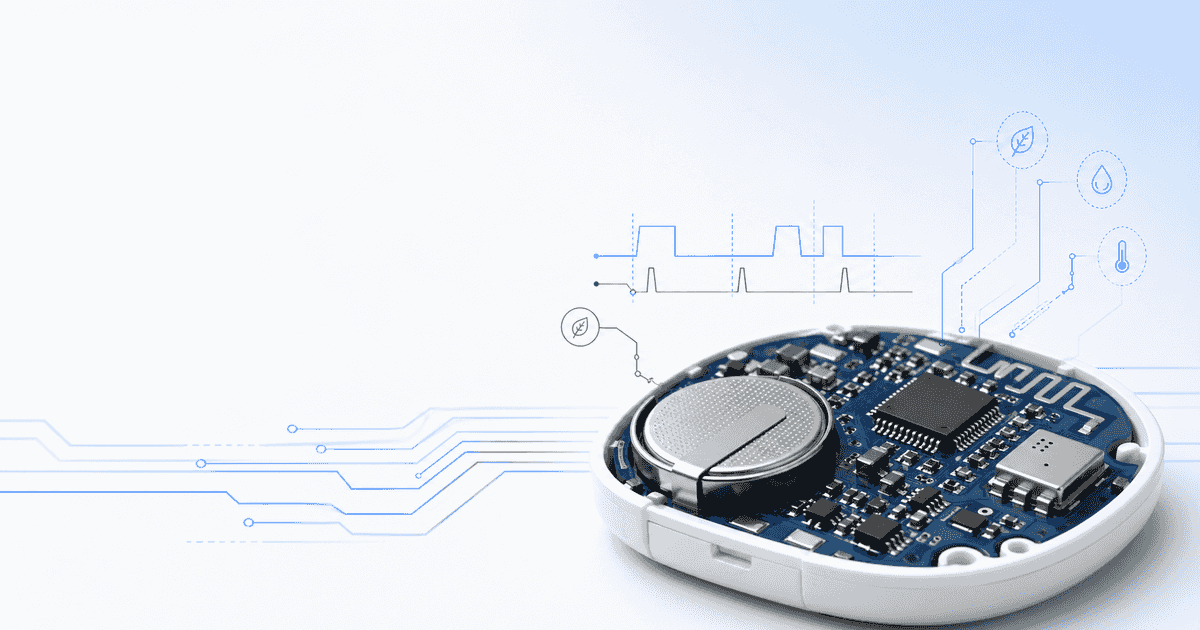
Ultra-low power edge device illustration

What Drives Power Consumption in Edge Devices

Compute Duty Cycle
Processor choice matters, but active time, wake frequency, and workload scheduling often matter even more.
Radio Behavior
Transmission timing, protocol selection, and retry strategy can dominate the energy profile in connected devices.
Sensor and Peripheral Usage
Polling frequency, standby modes, and conversion timing all shape the total system budget.
Power Conversion Efficiency
Regulators, battery chemistry, and charging strategy affect whether the design performs well beyond the lab.

Ultra-Low-Power Design Practices That Work

Measure Real Modes

Teams need visibility into idle, wake, burst, transmit, error, and recovery conditions rather than relying on average current estimates alone.

Coordinate Hardware and Firmware

Low-power features only help when firmware actively uses sleep states, clock control, and peripheral gating with discipline.

Reduce Avoidable Activity

Smarter sensing schedules, local filtering, and event-driven behavior can remove unnecessary compute and communication overhead.

Design for the Field

Environmental extremes, battery aging, and installation conditions can change power behavior significantly after deployment.

Where Ultra-Low-Power Edge Devices Create Product Value

Remote Monitoring
Longer service intervals reduce maintenance cost in distributed deployments.
Portable Devices
Smaller batteries and cooler operation improve user experience and packaging flexibility.
Industrial Sensors
Reliable field runtime supports broader deployment in constrained environments.
Energy-Harvesting Systems
Tighter power discipline makes self-sustaining architectures more practical.

How CircuitWare Approaches Ultra-Low-Power Efficiency

Profile Before Optimizing

We start by identifying the dominant energy consumers across real operating states instead of assuming the processor is always the main problem.

Optimize at the System Level

Hardware, firmware, sensing, connectivity, and enclosure choices all influence whether the device meets its runtime target in practice.

Plan for Lifecycle Reality

Reliable low-power systems account for battery aging, firmware growth, and changing field conditions over the product lifetime.

Build an Ultra-Low-Power Edge Device That Runs Longer

Make Efficiency a Product Advantage

CircuitWare helps teams engineer low-power hardware and firmware strategies that improve runtime, reliability, thermal behavior, and field practicality at the same time.