
CircuitWare

Machine Learning in Hardware Optimization for Power, Thermal, and Performance Gains

Learn how machine learning in hardware optimization helps engineers make faster decisions around power efficiency, thermal behavior, and system performance.

Data-Driven Hardware Optimization

Modern hardware programs generate large volumes of design, simulation, validation, and field-performance data. Machine learning in hardware optimization helps teams turn that data into guidance they can use for faster engineering decisions.
Instead of replacing engineering expertise, machine learning strengthens it by highlighting non-obvious relationships between workloads, thermal behavior, component choices, and reliability across the full hardware lifecycle.
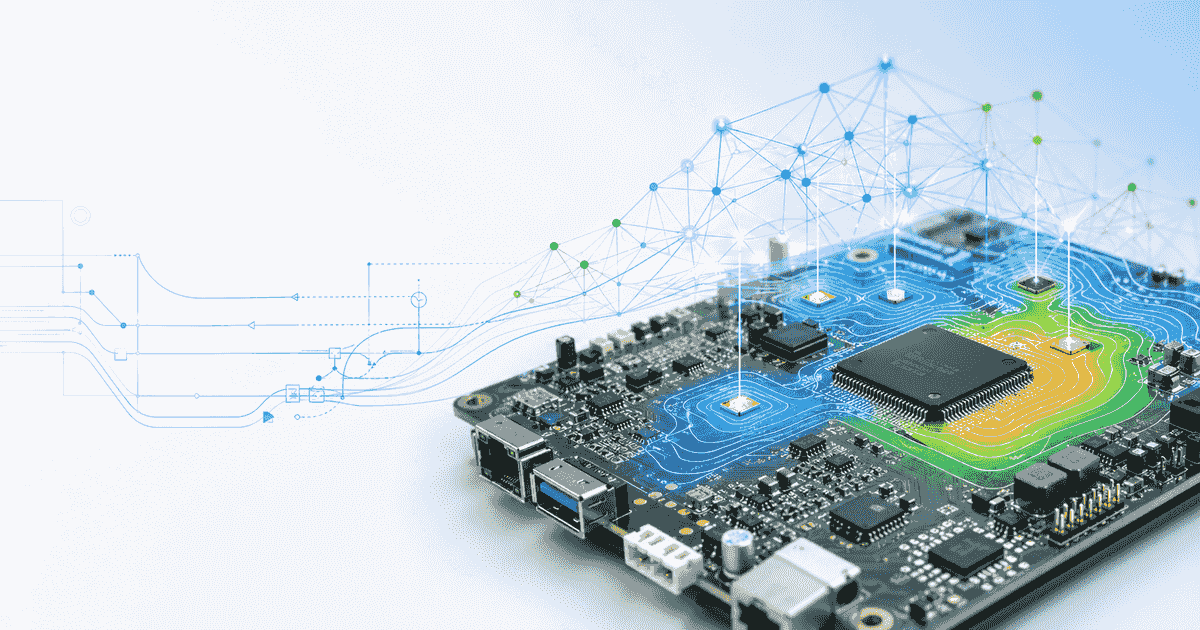
Machine learning hardware optimization illustration

Where Machine Learning Creates Hardware Engineering Value

Power Optimization
ML models can connect workload behavior to system power draw and highlight opportunities for lower-energy operation.
Thermal Prediction
Teams can model likely hotspot behavior earlier and compare enclosure or layout options before issues become late-stage blockers.
Component Tradeoff Analysis
ML can help rank alternatives across performance, cost, lifetime, and reliability using broader design context.
Test Prioritization
Validation plans become more efficient when likely failure modes are surfaced earlier from historical or simulated data.

How a Machine Learning Hardware Optimization Workflow Looks

Collect the Right Inputs

Useful optimization begins with trustworthy simulation data, measurements, BOM history, and operating context that reflect real product conditions.

Model the Tradeoffs

Once patterns are visible, ML can estimate likely outcomes for configuration changes before the team commits to physical revisions.

Validate Against Reality

Recommendations still need engineering review and measured validation. ML is most useful when it narrows the search space, not when it acts as an unquestioned oracle.

Feed Results Back In

The workflow improves over time when prototype and field data are continuously folded back into future optimization decisions.

Hardware Optimization Outcomes That Matter

Longer Runtime
Better efficiency translates into stronger battery life and lower operating cost.
Cooler Operation
Thermal insight supports denser packaging and more dependable long-term performance.
Higher Confidence
Teams can choose between configurations using evidence instead of intuition alone.
Faster Iteration
The number of expensive design loops is reduced when likely winners surface earlier.

What Successful Machine Learning Adoption Requires

Good Data Hygiene

Incomplete, noisy, or inconsistent engineering data limits the usefulness of ML no matter how advanced the model appears.

Domain Expertise in the Loop

Engineers still need to interpret recommendations in context of product requirements, manufacturability, safety, and customer expectations.

Clear Problem Framing

ML works best when the team knows whether the goal is lower power, better thermal margin, improved reliability, or a different measurable optimization target.

Apply Machine Learning Where It Improves Real Hardware Decisions

Optimize Hardware With Better Engineering Signals

CircuitWare helps teams combine domain knowledge, measured data, and practical ML workflows to improve performance, efficiency, and confidence across hardware design programs.